
Cooking on a Salt Block — What Actually Happens?
/IS IT WORTH IT?
Cooking on a Himalayan salt block looks impressive — but what actually happens when you put a steak on one?
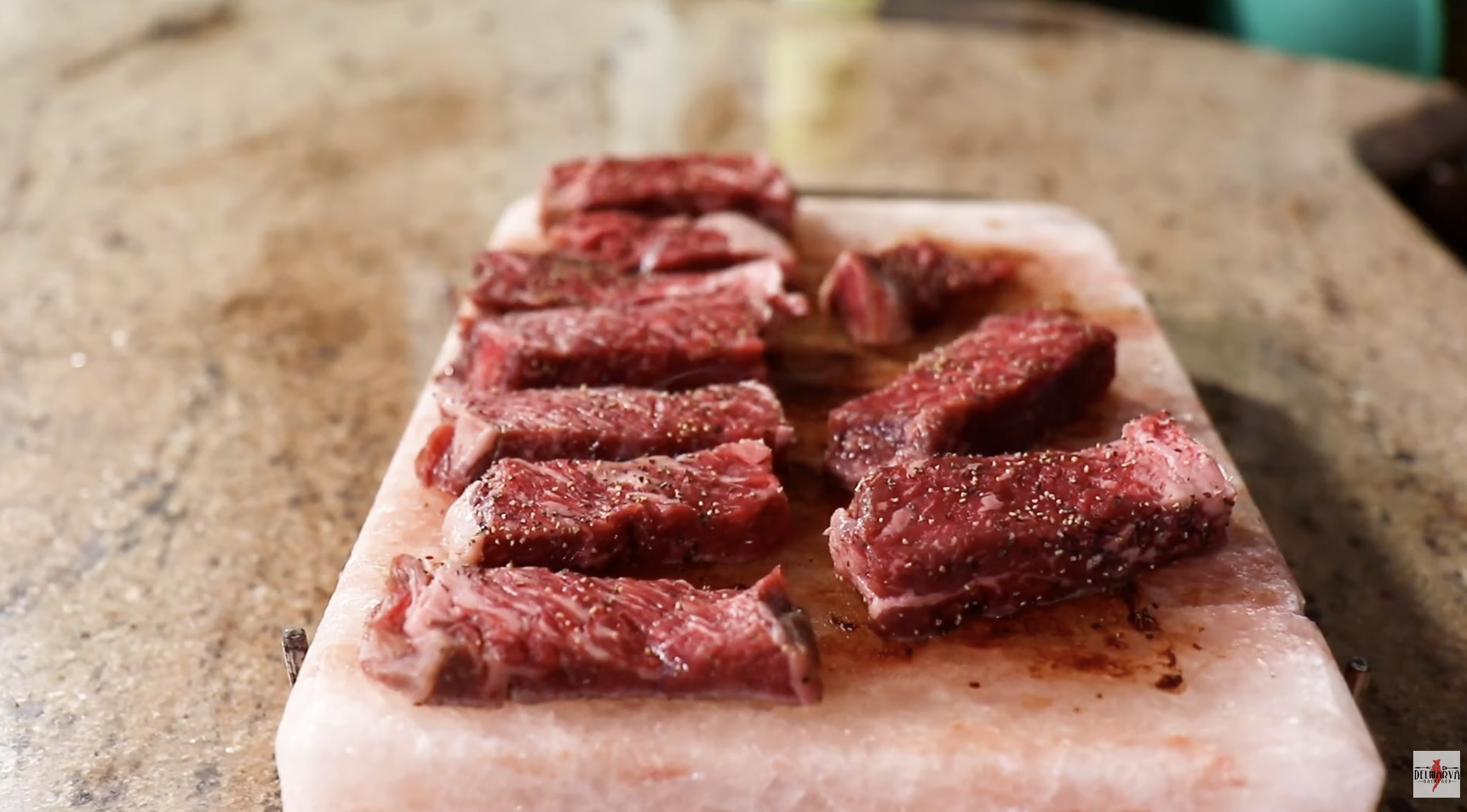
For this cook, I seared Wagyu New York Strip steaks directly on a fully preheated salt block to test heat retention, crust development, and flavor impact.
If you’re wondering:
Is salt block cooking worth it?
What temperature should a salt block reach?
Does it improve crust?
Or is it just backyard theater?
Here’s the honest result.
Is Cooking on a Salt Block Actually Worth It?
Here’s the honest answer:
The flavor difference is subtle, not dramatic.
Heat retention is excellent once fully preheated.
Temperature control is harder than cast iron.
Cleanup is easier than you think.
Cracking the block is the biggest risk.
If you expect fireworks — you’ll be disappointed.
If you understand what it does well — it can be a great tool.
Recipe
Salt Block Seared Wagyu NY Strip Steaks
Wagyu New York Strip steaks seared directly on a preheated Himalayan salt block for subtle mineral seasoning and even heat distribution.
Directions
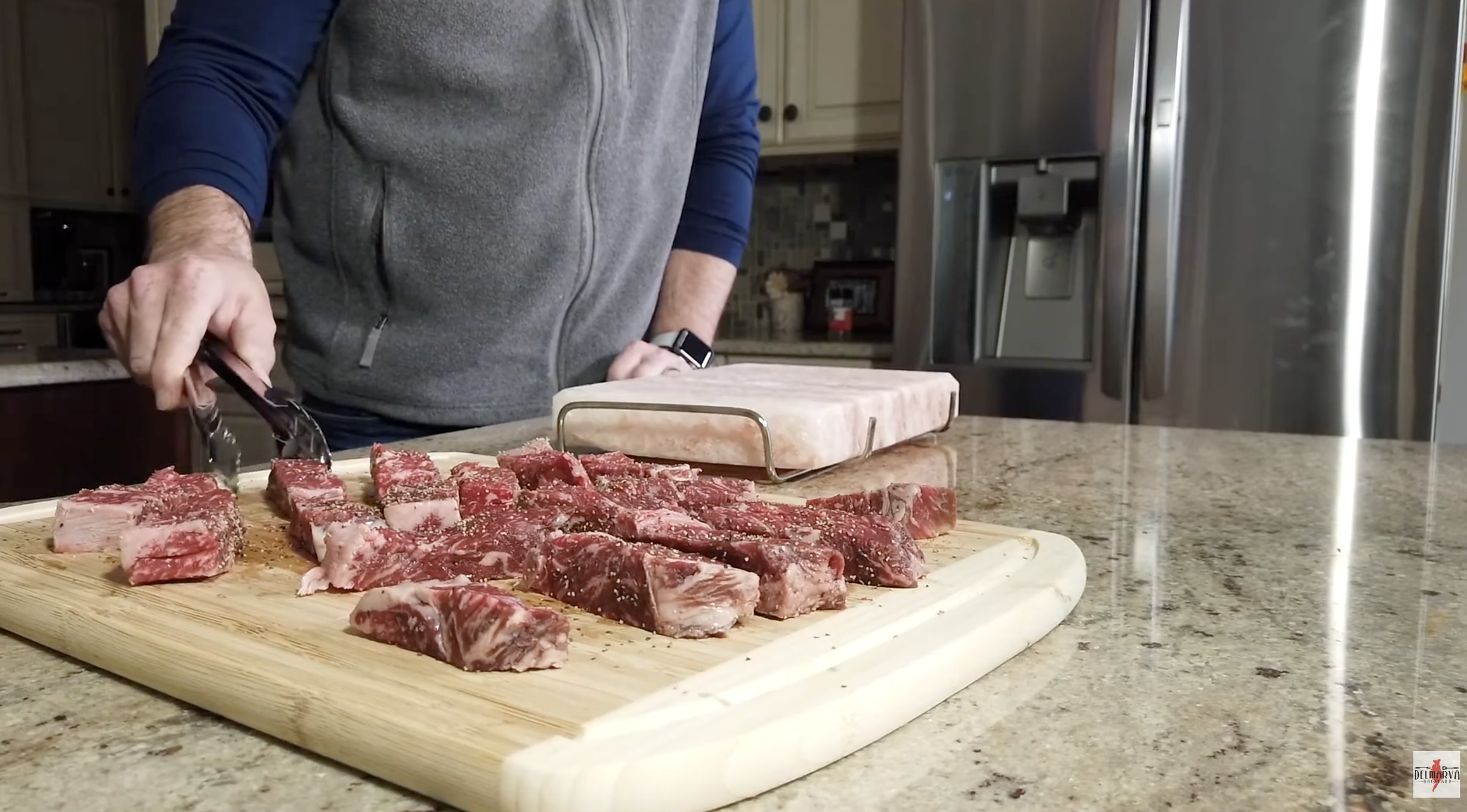
Equipment: Himalayan salt block + grill or stovetop + infrared thermometer
- Preheat gradually: Heat salt block on low for 15 min, medium for 15 min, then high until surface reaches 400–500°F.
- Prep steaks: Pat dry and lightly oil. Season with cracked pepper only.
- Sear: Place steaks on salt block and cook 3–4 minutes per side.
- Flip once: Do not move until crust forms.
- Pull temp: Remove at 120–125°F for medium-rare.
- Rest: Rest 5–10 minutes before slicing.
The Story Behind the Recipe
Salt block cooking isn’t about replacing cast iron.
It’s about the experience.
There’s something primal about placing steak directly on mineral rock heated over fire. The block seasons subtly from underneath while retaining heat evenly across the surface.
It’s not flashy — it’s deliberate.
And when done correctly, it adds refinement without overpowering the beef.
Why You’ll Love This Recipe ❤️
🔥 Unique Cooking Experience
🧂 Subtle Natural Salinity
🔥 Even Heat Distribution
🥩 Perfect for Thick-Cut Steaks
👨🍳 Backyard Showpiece Factor
Why This Recipe Works
Salt blocks:
Heat slowly
Retain heat evenly
Season lightly
Deliver consistent contact
But they require patience.
Rushing the preheat ruins everything.
Pro Tips for Perfect Salt Block Searing 💡
🧂 Heat Gradually: Never shock your salt block with sudden high heat. Build up slowly to 500°F.
🥩 Use a Thermal Gun: Helps ensure your block is evenly heated before searing.
🔥 Don’t Overcrowd: Cook in batches — overcrowding drops the block’s temperature.
🪣 Cleaning: Let the salt block cool fully before wiping with a damp cloth. Never submerge it in water.
🌿 Flavor Boost: Finish with a drizzle of garlic-infused butter or truffle oil for a gourmet touch.
Why This Recipe Works
Cooking on a Himalayan salt block is more than just presentation — it’s culinary chemistry. The salt crystallizes into the steak’s surface, forming a natural brine that locks in moisture while building that crave-worthy crust. Combined with Wagyu’s buttery fat marbling, the result is steak perfection — juicy inside, crisp outside, and seasoned with pure mineral flavor.
This method also doubles as an incredible interactive experience — you can cook right at the table, making it perfect for dinner parties or backyard date nights.
FAQ
Q: Can I use another cut of steak?
A: Absolutely! Ribeye, filet mignon, or flat iron all work beautifully with this method.
Q: How do I clean the salt block?
A: Allow it to cool completely, then gently scrape or wipe with a damp sponge. Avoid using soap or immersing it in water.
Q: How do I know if my salt block is hot enough?
A: Sprinkle water on the surface — it should immediately sizzle and evaporate.
Q: Can I prepare steaks in advance?
A: Yes, trim and season them up to an hour ahead, but cook fresh for best texture.
Q: How long does a salt block last?
A: With proper care, a good Himalayan salt block can last 30+ uses before thinning or cracking.
🔧 Recommended Gear
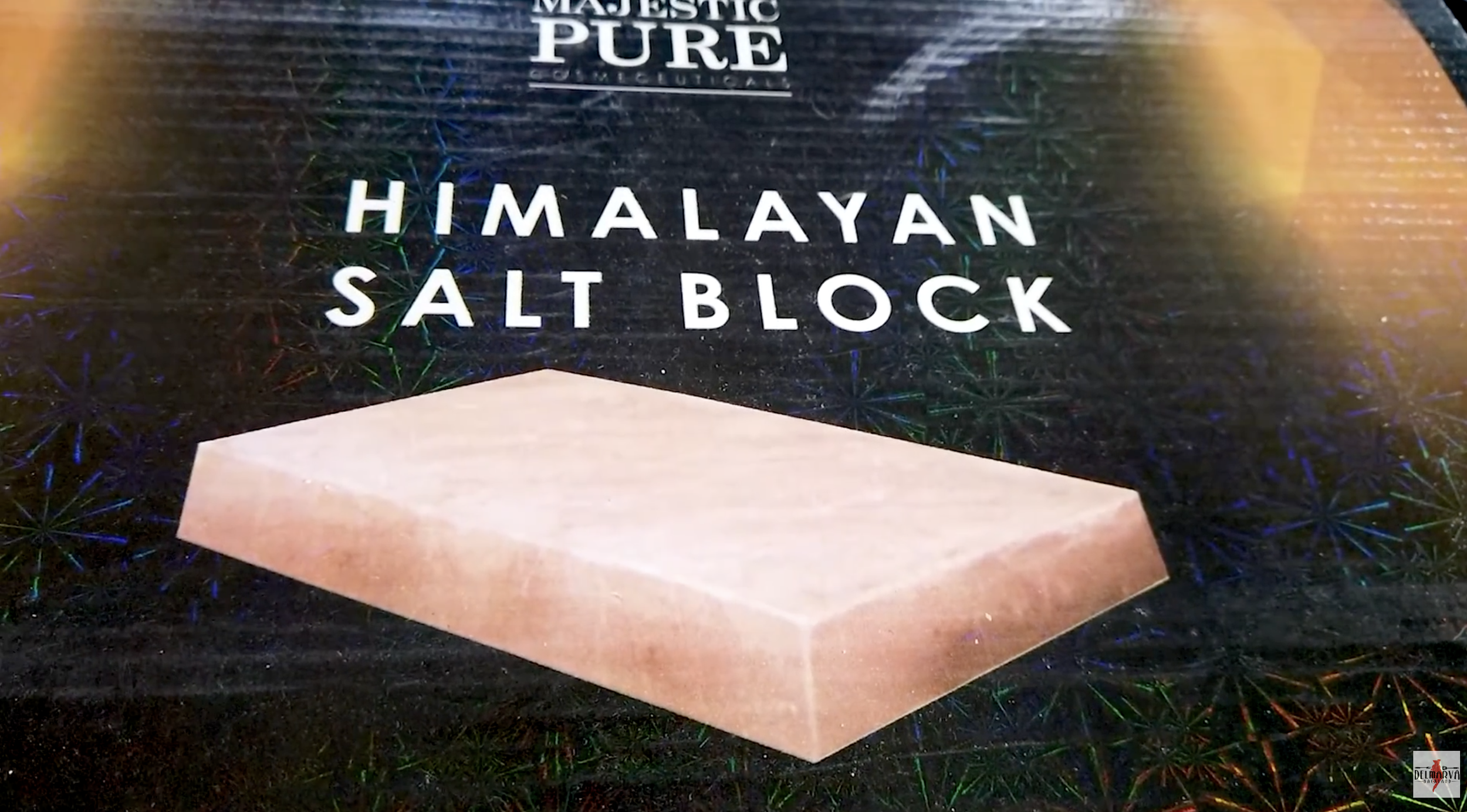
Himalayan Salt Block – Essential for this technique; imparts mineral flavor and perfect sear.
Infrared Thermometer – To monitor block temperature for precision cooking.
Tongs or Metal Spatula – For flipping steak safely at high heat.